
TEN DAYS IN PATAGONIA
I recently traveled to Patagonia for a hiking adventure, and the experience was unlike anywhere I’ve ever been. The scale of the landscape is difficult to put into words; the skies are vast, the mountains rise abruptly from the plains, and every trail draws you further into the environment. It almost feels overwhelming at first, but it eventually settles into something deeply grounding.
The W Circuit, Chile
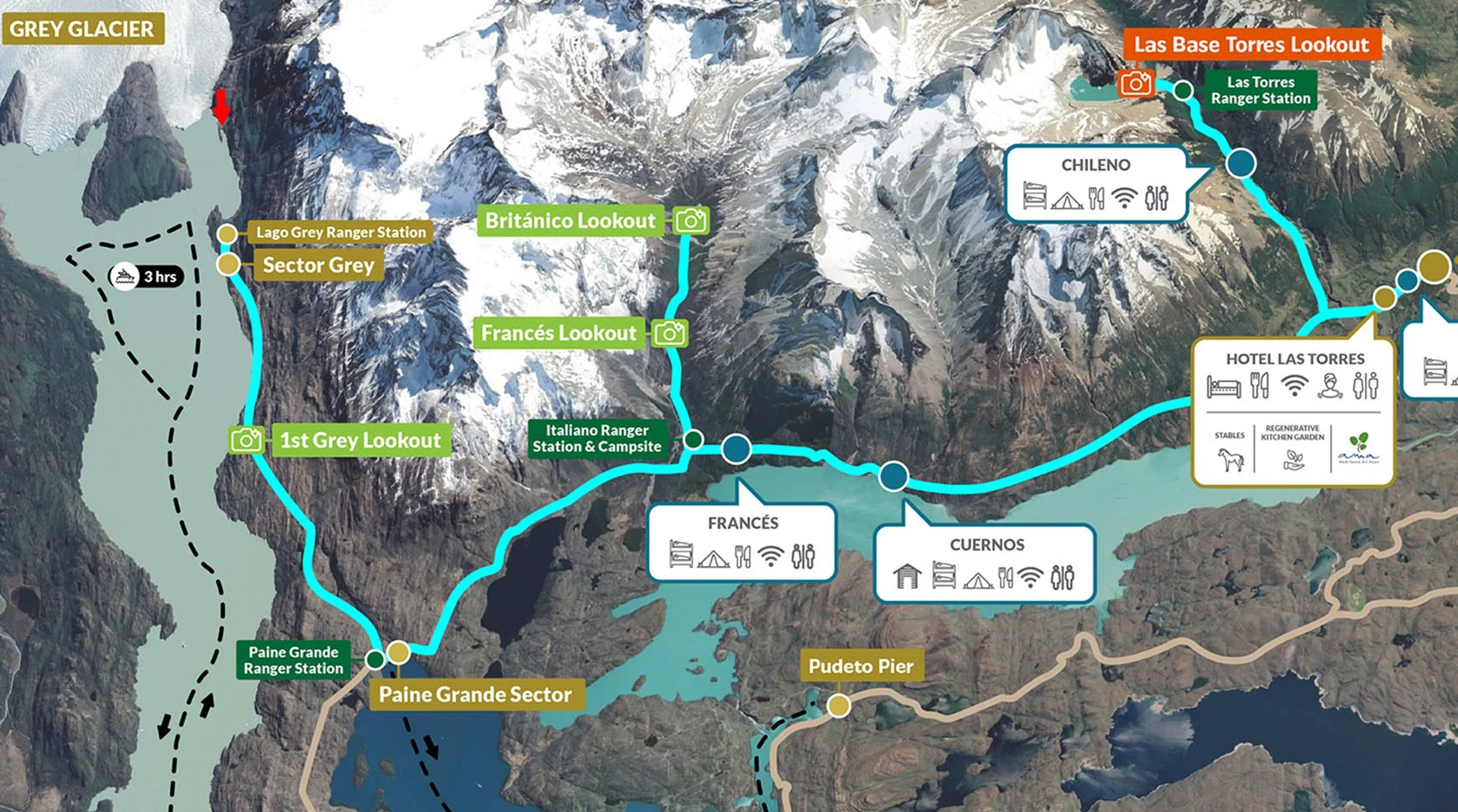
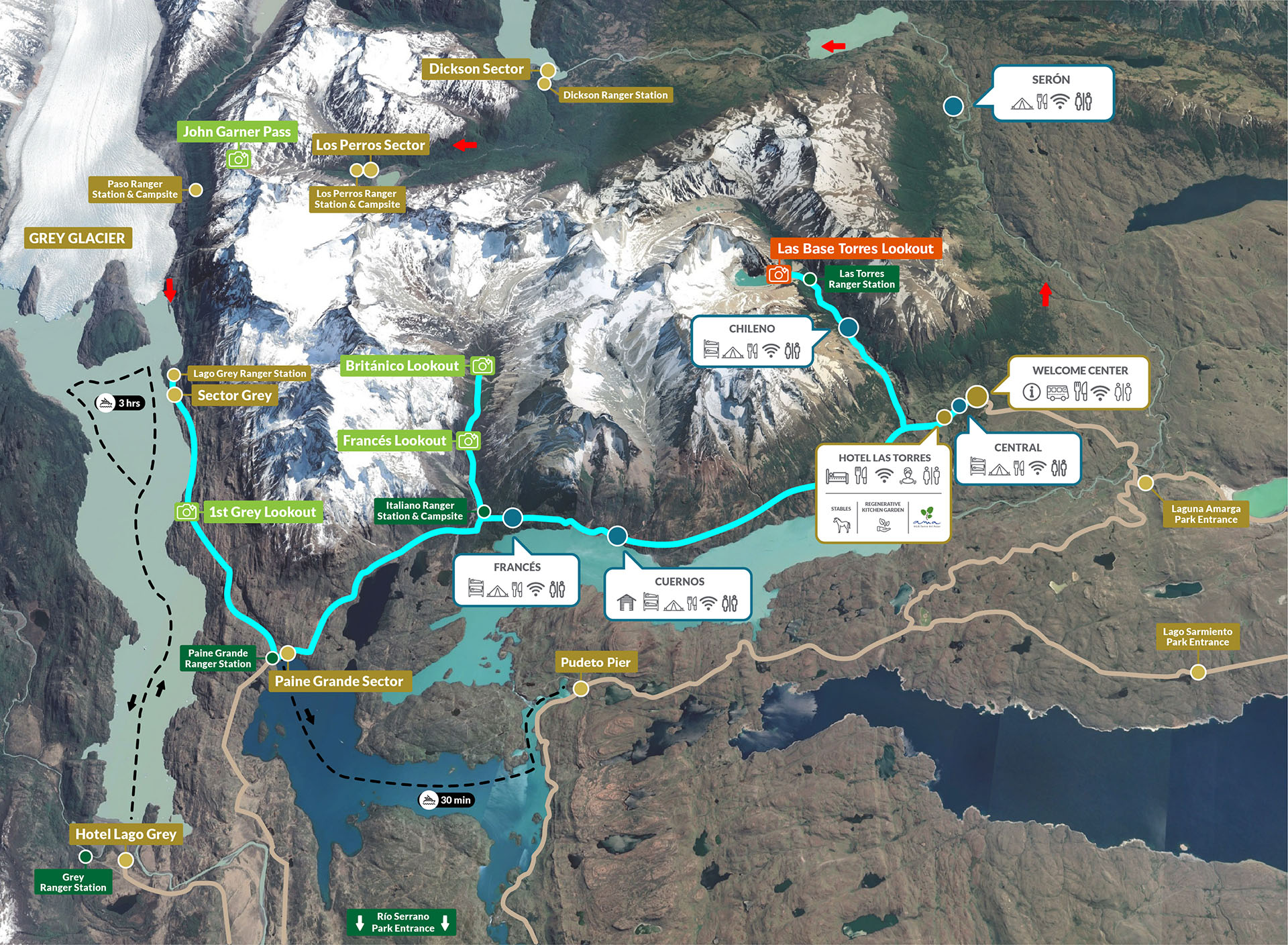
I began in Chile, hiking the W Circuit in Torres del Paine National Park. Over the course of the 4 day trek, I covered 55 miles with 9,000 feet of elevation gain. What stood out most was how much the landscape changed day to day. Some stretches were steady climbs into the mountains, while others rolled along beside massive glacial lakes. It’s hard to pick a favorite because each section felt completely different—and memorable in its own way.
The Towers: My trek began with the hike to the base of the Towers. The trail starts moderately, winding through a valley and forest before the final ascent. It’s a steady build, followed by a last push that really makes you work for it—rocky, steep, and a bit relentless at the end. But when you reach the viewpoint and see the granite spires up close for the first time…everything almost goes silent and you just stand there taking it in.
Los Cuernos: As I continued along Lake Nordenskjöld toward Los Cuernos, the landscape only grew more striking. It felt like moving between two worlds— bright blue lake on one side, and dark, almost black peaks layered over lighter granite on the other, with the trail rolling steadily between them.
French Vally: Next came the dramatic terrain of Glacier Francés and the French Valley. The mountains closed in, the trails grew more rugged, and everything felt sharper—jagged peaks, glacial rivers, and beauty in every direction. It was the kind of stretch where you find yourself stopping often, not because you have to, but because you want to take it all in.
Grey Glacier: While I had heard all about the untamed Patagonia winds and the chance of experiencing four seasons in a single day, I got incredibly lucky to have clear skies for most of my trek. I only encountered light rain and cloud cover on my final day as I approached Grey Glacier.
Along with the shift in weather, the last section of the circuit brought a change in landscape. It opens up, but in an entirely different way—vast, colder, and quieter. Seeing the glacier stretch out in front of you feels surreal, even under a blanket of clouds. I stayed for a while, watching as they moved and parted, offering glimpses of its immense scale—something that’s hard to fully grasp until you’re standing there.
In addition to the favorable weather, I was grateful for the experiences that each refugio provided for my nightly stays. I was always welcomed by friendly staff, hot showers, and warm beds. Along with surprisingly delicious meals and local wine, every refugio had its own distinct character, creating lasting memories—whether through conversations with fellow hikers or simply a chance to reset and take in the views before doing it all again the next day.
Looking back, the Chilean portion of the trek felt like a journey through Patagonia’s many moods—from the iconic Towers to the rugged French Valley and the quiet vastness of Grey Glacier. Each day revealed something different, leaving us with a deep appreciation for the scale and raw beauty of the landscape—and a sense that I had only just begun to experience it.
El Chaltén and Perito Moreno, Argentina
After finishing the W Circuit, I crossed into Argentina and headed to El Chaltén. It had a completely different energy—a small town, but buzzing with hikers and rock climbers from all over the world. The highlight of my time there was Laguna de los Tres, easily the most iconic hike in El Chaltén—but one that makes you earn every bit of the view. The beginning of the trail is relatively easy, winding through forests and open valleys, with glimpses of Fitz Roy peeking through the trees and clouds. The landscape opens up as the trail continues—glacial rivers, wide plains, and a constant feeling of the mountains pulling you closer.
The final climb earns its reputation— even more steep, relentless, and humbling than the towers in Chile—but at the top, Fitz Roy towers over everything, reflected in the water below. It was here that I experienced the much-talked-about Patagonia winds, but they didn’t take away from the moment—if anything, they added to it.
I wrapped up the trip at Perito Moreno Glacier, which honestly felt alive—massive walls of blue ice, constant cracking, and every so often, huge sections breaking off into the water. Loud, powerful, and impossible to ignore. It felt like a fitting end to the journey—one last reminder of just how dynamic and alive Patagonia really is.
Final Thoughts
Looking back, what stands out isn’t the distance or elevation—but how different each part of the journey felt. Patagonia constantly shifts on you, and that’s what makes it unforgettable.
Ten days flew by, but it never felt rushed—just full. Patagonia has a way of staying with you long after you leave—in the quiet moments, in the scale of it all, and in the feeling of being completely immersed in something bigger than yourself. It’s not a place you check off a list—it’s one you carry with you.
I’ll be back someday. No question.
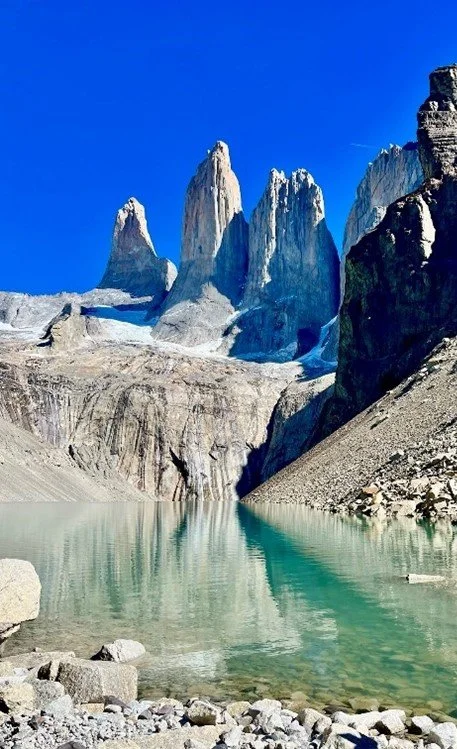
Base Torres granite peaks
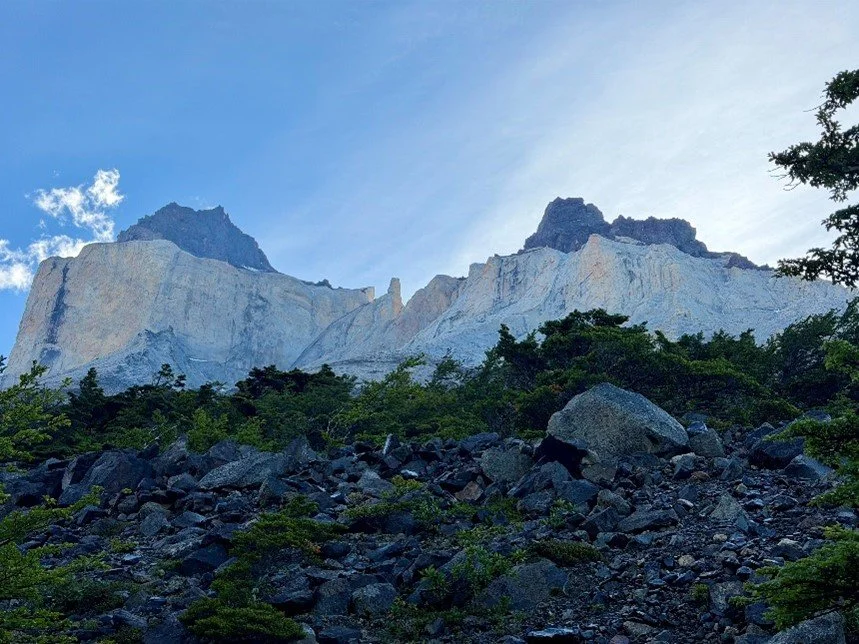
Los Cuernos (The Horns)
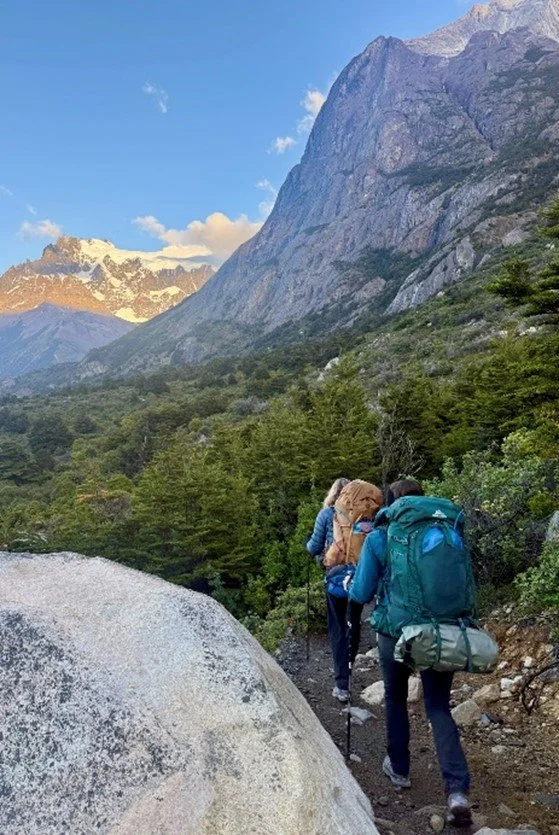
Hiking toward Glaciar Frances
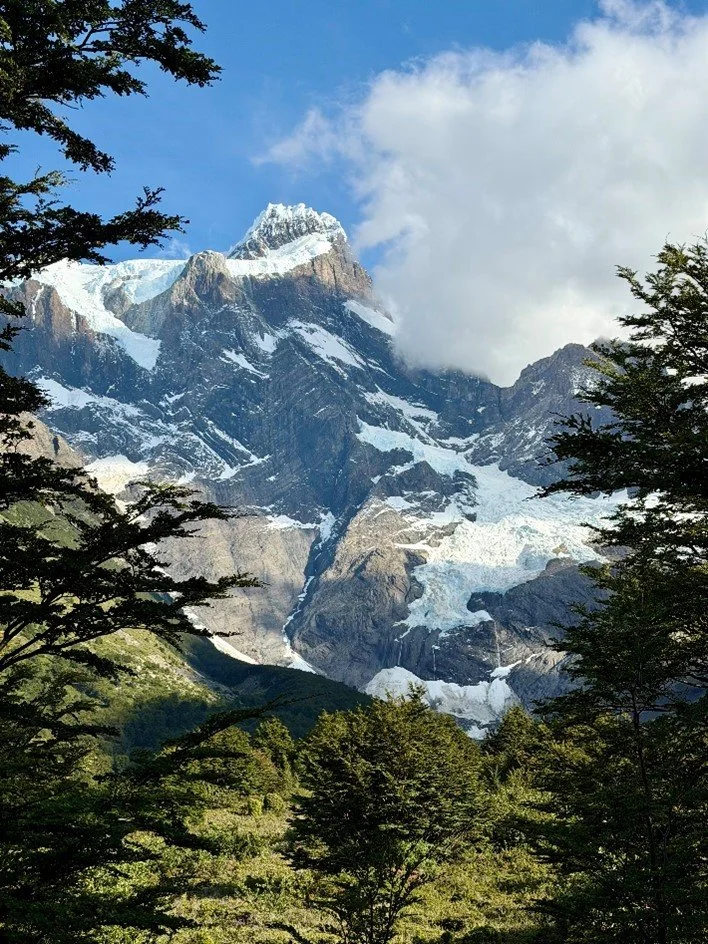
Glaciar Frances
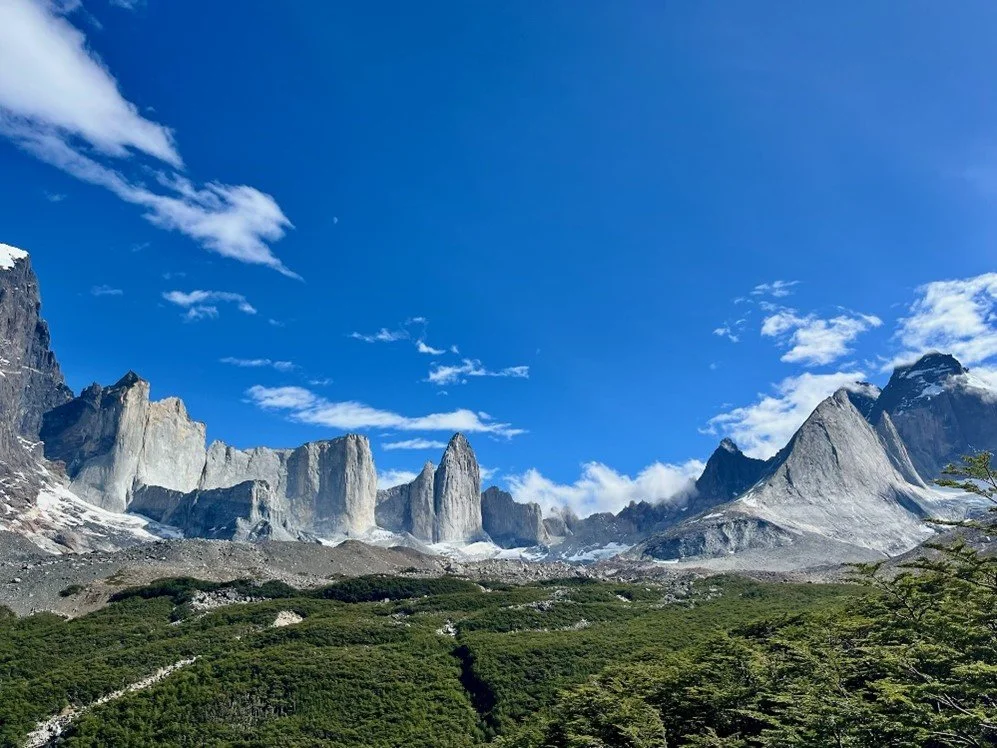
French Valley
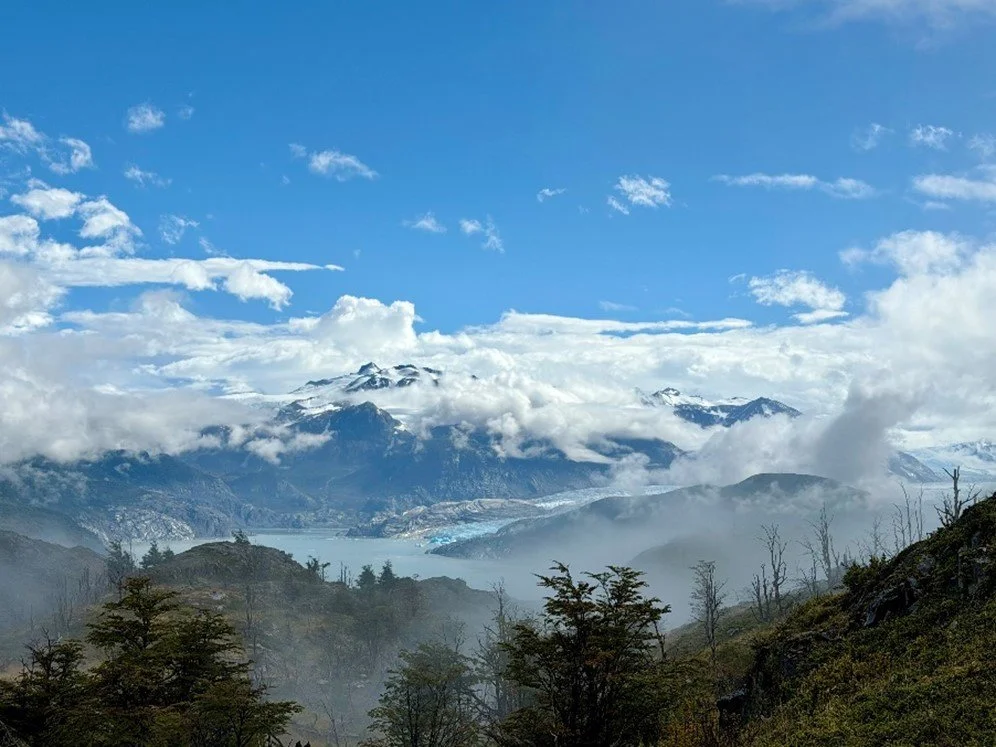
Glacier Gray Outlook
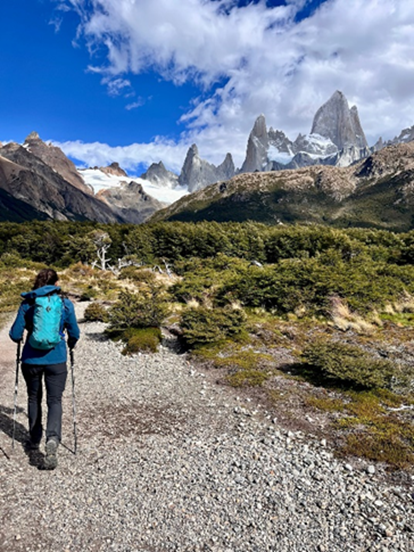
Laguna de los Tres
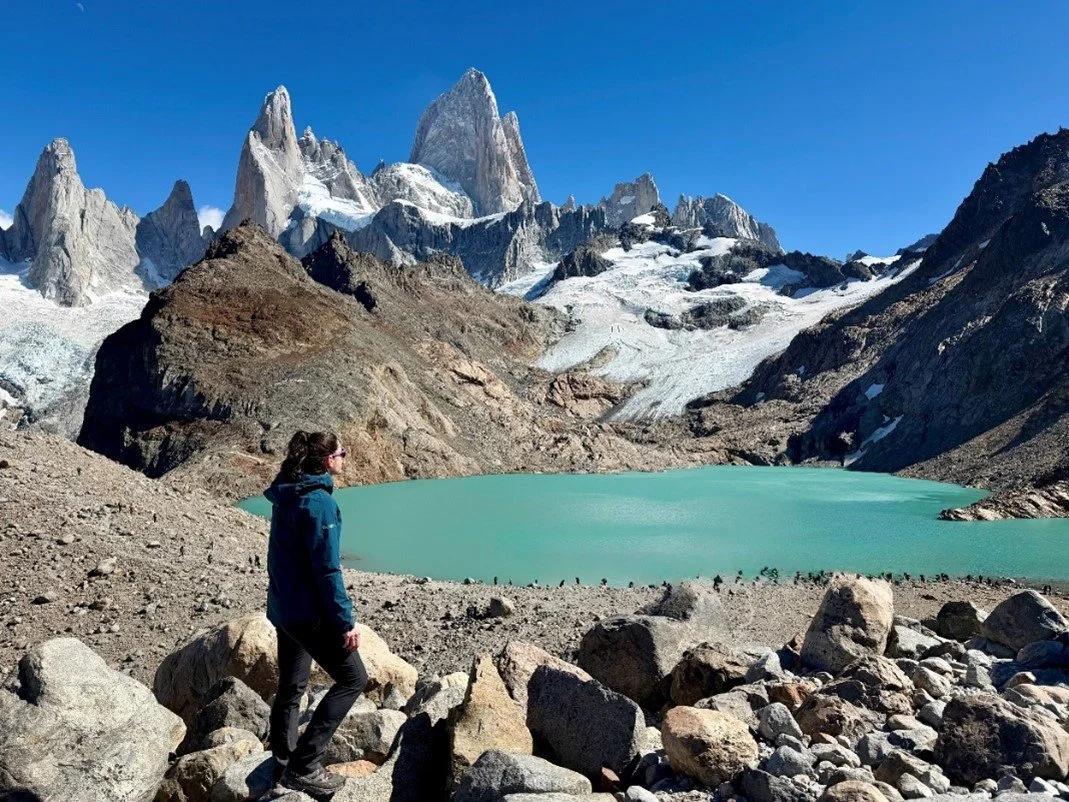
Laguna de los Tres
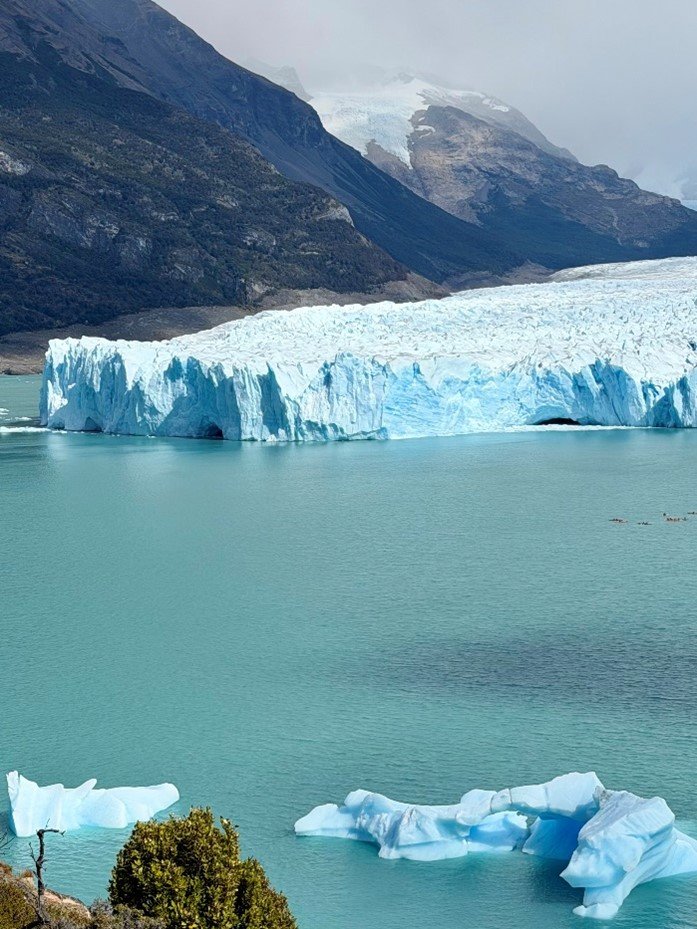
Perito Moreno Glacier